CNC Machining Requirements: Modern vs. Classic Motorcycle Part Manufacturing
1. Material Selection & Machining Precision
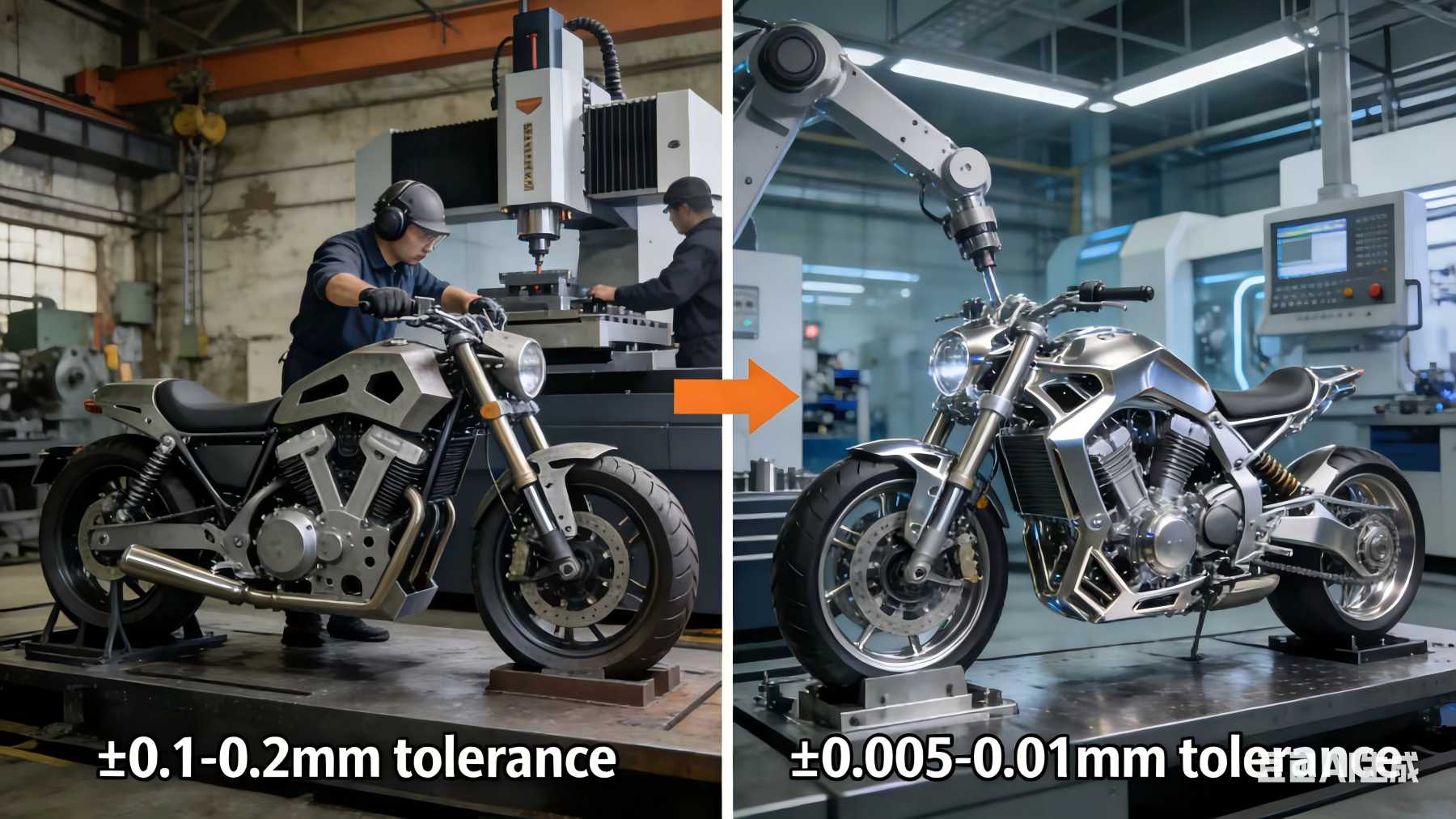
Classic motorcycles prioritize mechanical simplicity and nostalgic aesthetics, with parts typically made from cast iron, mild steel, or brass. CNC machining for classic components focuses on replicating legacy dimensions-tolerances of +/-0.1-0.2 mm are generally acceptable, as these bikes emphasize ride feel over extreme performance. For example, classic engine crankcases or carburetor bodies require CNC milling that honors original blueprints, with minimal need for complex surface treatments beyond basic plating or painting.
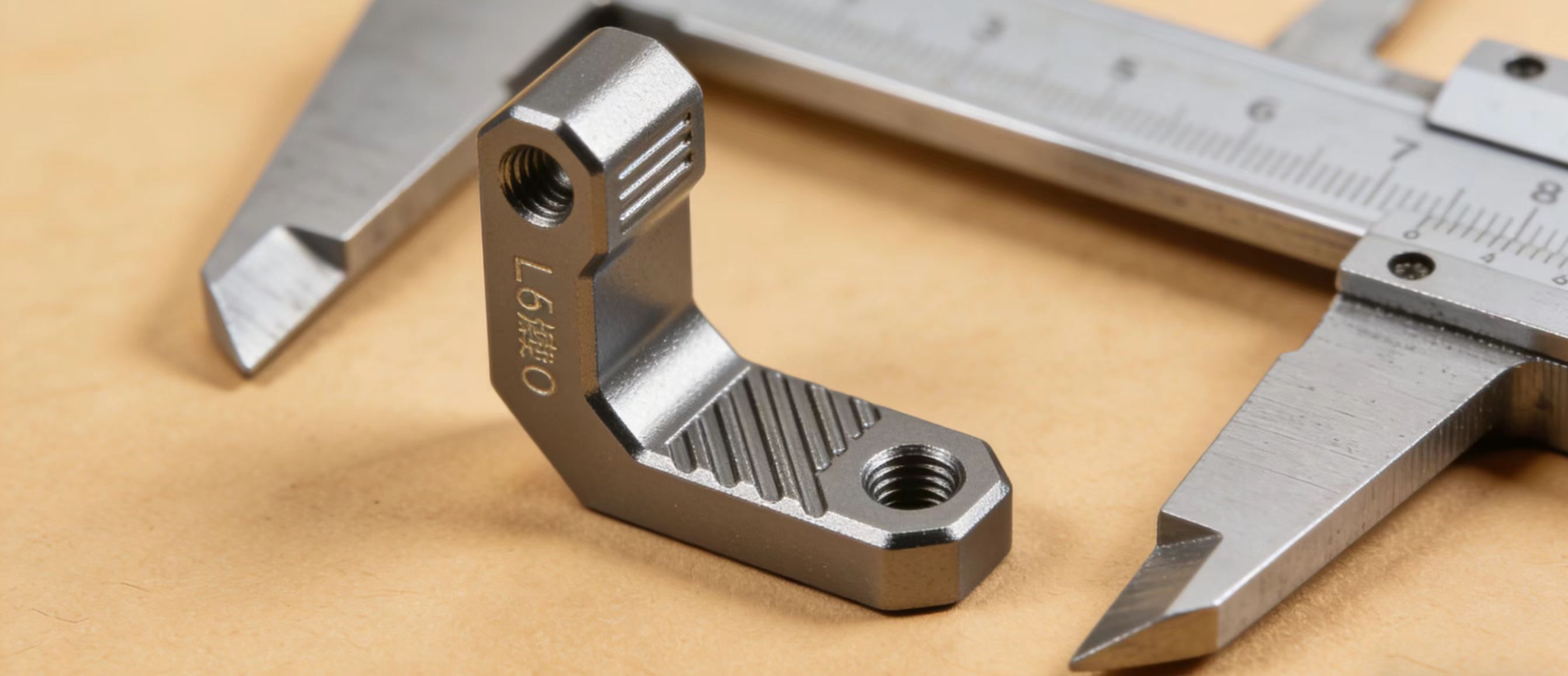
Modern motorcycles, by contrast, demand high-strength, lightweight materials like aerospace-grade aluminum alloys (e.g., 6061-T6, 7075), titanium, and carbon fiber-reinforced polymers (CFRP). CNC machining here must meet ultra-tight tolerances (+/-0.005-0.01 mm) to accommodate high-speed operation and advanced systems like electronic fuel injection (EFI) and anti-lock braking systems (ABS). Components such as CNC-machined billet aluminum frames, lightweight connecting rods, and precision-machined brake calipers require multi-axis CNC milling/turning to achieve complex geometries, with surface finishes critical for reducing friction and improving durability.
2. Design Complexity & Manufacturing Flexibility
Classic motorcycle parts feature simple, symmetrical geometries-think round valve covers, straight handlebar clamps, or basic sprocket designs. CNC programming for these parts is straightforward, often relying on 2-axis or 3-axis machining processes. The priority is consistency to ensure interchangeability with vintage assemblies, making low-volume, batch machining the optimal approach.
Modern motorcycle design is defined by asymmetrical, aerodynamic, and integrated geometries to enhance performance and comply with aerodynamic regulations. For instance, swingarm pivot brackets or exhaust headers now feature complex curves and hollowed-out structures to reduce weight without sacrificing strength. This requires 5-axis CNC machining to access multiple part faces in a single setup, minimizing fixture changes and errors. Additionally, modern parts often integrate multiple functions (e.g., a brake disc carrier that doubles as a suspension mount), demanding CNC machining that balances intricate features with structural integrity.
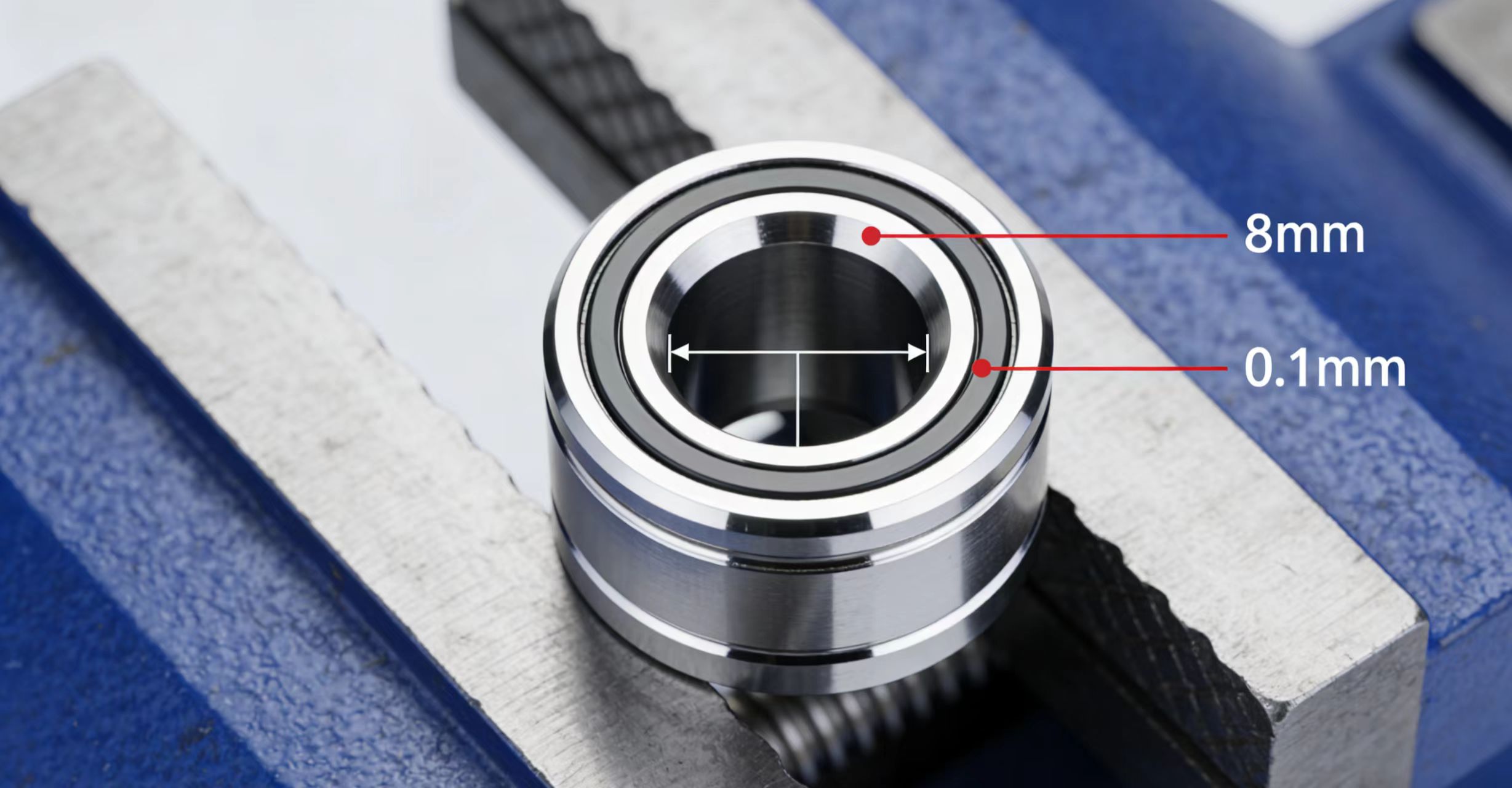
Classic motorcycle parts are rarely subject to strict modern regulatory standards, with quality control focused on fit and function rather than safety or emissions certifications. CNC machining for classic restorations often involves reverse-engineering obsolete parts, with inspections limited to dimensional checks.
Modern motorcycle components must adhere to rigorous global standards (e.g., EU's REACH, ISO 14882 for crash safety). CNC machining processes now include in-line quality control-such as CNC probing, laser scanning, and coordinate measuring machine (CMM) inspections-to ensure compliance. For example, CNC-machined wheel hubs must meet strict fatigue resistance requirements, necessitating precise material removal and heat treatment integration during the machining process. Additionally, modern parts require traceability, with CNC systems logging every machining step for regulatory audits.
CNC machining processes now include in-line quality control-such as CNC probing, laser scanning, and coordinate measuring machine (CMM) inspections-to ensure compliance. For example, CNC-machined wheel hubs must meet strict fatigue resistance requirements, necessitating precise material removal and heat treatment integration during the machining process. Additionally, modern parts require traceability, with CNC systems logging every machining step for regulatory audits.
4. Cost-Efficiency & Production Scalability
Classic motorcycle part manufacturing is typically low-volume, custom-focused, with CNC machining prioritizing accuracy over speed. Small-batch runs (10-50 units) are common for restorations, with CNC setups optimized for quick changeovers between part types.
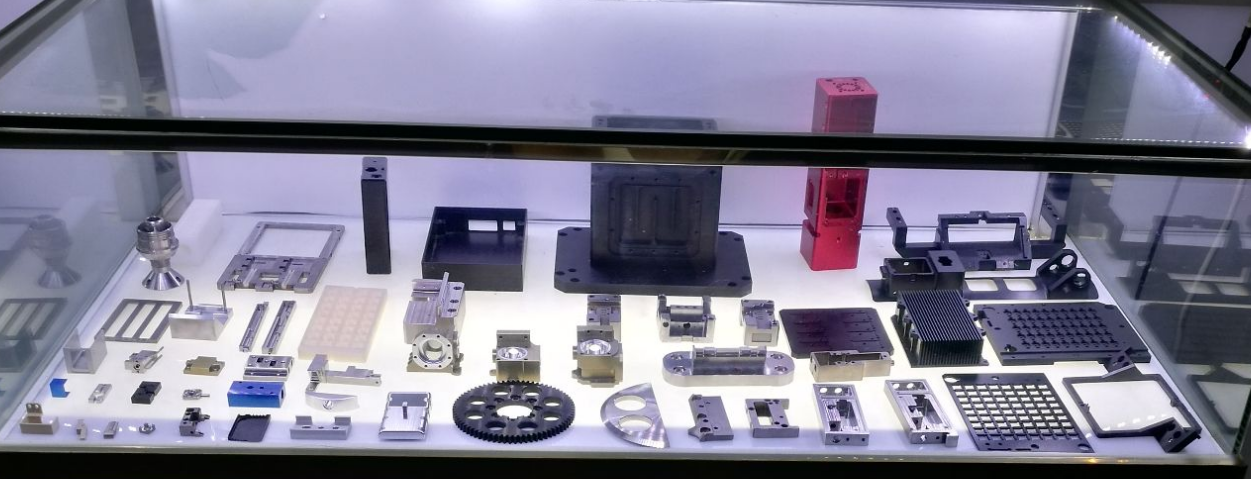
Conclusion
The divide between classic and modern motorcycle part manufacturing reflects a broader shift in engineering priorities-from tradition to innovation. For CNC machining specialists, mastering both realms requires a deep understanding of material science, precision engineering, and regulatory compliance.
At INFA, we combine CNC machining expertise for both classic restorations and modern high-performance components. Whether you need reverse-engineered vintage parts or precision-machined modern assemblies, our team delivers solutions tailored to your design requirements.
#CNCMachining#MotorcycleEngineering#PrecisionManufacturing#ClassicMotorcycles#ModernMotorcycles#ManufacturingExpertise#INFAPrecision