Surface Finishes and Coatings that Extend the Life of Motocycle Components
For motorcycle enthusiasts, mechanics, and custom builders alike, the durability of bike components isn't just a matter of cost-it's about safety, performance, and the joy of riding without unexpected failures. While CNC machining lays the foundation for precise, well-fitted parts (think brake levers, handlebars, or engine casings), the right surface finish and coating are the unsung heroes that protect those components from the harshest riding conditions.
From road salt and rain to off-road dust and extreme temperatures, motorcycle parts face relentless wear and tear. A high-quality surface treatment doesn't just enhance aesthetics-it creates a barrier against corrosion, reduces friction, and reinforces structural integrity. Below's a breakdown of the most effective surface finishes and coatings for CNC-machined motorcycle components, tailored to real-world riding needs.
1. Anodizing: The Go-To for Aluminum Components
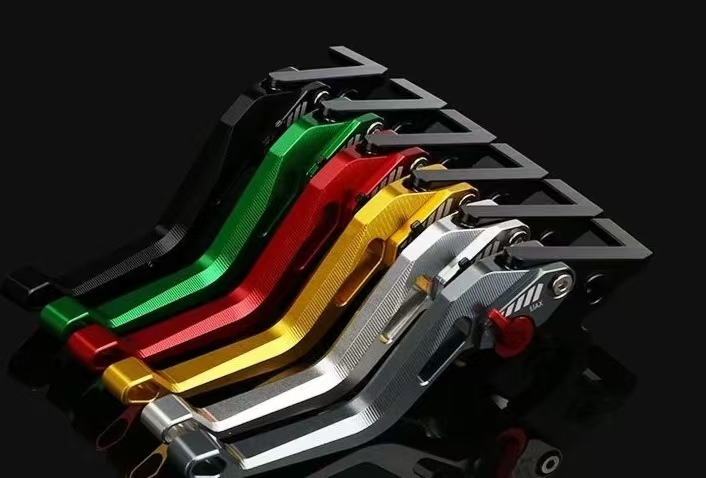
Aluminum is a staple in motorcycle manufacturing thanks to its lightweight and strength-but it's prone to oxidation. Anodizing solves this by creating a hard, porous oxide layer on the metal's surface, which can be dyed (common colors include black, silver, or racing red) for both protection and style.
- Key Benefits: Resists corrosion from moisture and road chemicals; improves scratch resistance; doesn't add significant weight (critical for performance parts like brake levers or foot pegs).
- Ideal Applications: CNC-machined aluminum handlebars, brake caliper brackets, swingarm parts, and custom fairing mounts.
- Pro Tip: Hard anodizing (Type III) offers 3x the wear resistance of standard anodizing, making it perfect for high-contact parts like shift knobs or brake pedals.

Powder coating is a versatile option that works for both steel and aluminum components, applying a dry powder that's cured under heat to form a thick, uniform layer. It's a favorite for parts that need maximum impact resistance.
- Key Benefits: Superior resistance to chipping, fading, and UV damage; covers imperfections in the base metal; available in matte, gloss, or textured finishes.
- Ideal Applications: Steel frames, CNC-machined engine guards, chain guides, and rear sets.
- Pro Tip: For off-road bikes, opt for a textured powder coat-it adds grip (useful for foot pegs) and hides minor scratches from rocks or debris.
3. Chrome Plating: Classic Style with Corrosion Protection
Chrome plating remains a popular choice for riders who want a sleek, reflective finish- but it's more than just looks. The process involves depositing a thin layer of chromium over steel or aluminum, creating a hard barrier against rust.
- Key Benefits: Exceptional corrosion resistance; easy to clean (wipes away dirt and grime); timeless aesthetic for custom builds.
- Ideal Applications: CNC-machined exhaust tips, mirror housings, and bolt heads.
- Note: High-quality chrome plating (triple-plated with copper, nickel, and chrome) avoids peeling-critical for parts exposed to high heat (like exhaust components).
Moving components like pivot points, chain rollers, or clutch plates rely on minimal friction to function smoothly. PTFE coatings (often called Teflon) create a low-friction, non-stick surface that reduces wear and extends part life.
- Key Benefits: Lowers friction between moving parts; resists oil, grease, and dirt buildup; maintains performance in extreme temperatures .
- Ideal Applications: CNC-machined brake lever pivots, suspension linkages, and chain tensioners.
- Pro Tip: Combine PTFE coating with anodizing for aluminum parts-you get the corrosion protection of anodizing plus the friction reduction of PTFE.
5. Ceramic Coatings: High-Temperature Protection for Critical Parts
Parts exposed to extreme heat (like exhaust systems, cylinder heads, or valve covers) need a coating that can withstand thermal stress. Ceramic coatings (made from silica or titanium dioxide) excel here, reflecting heat and preventing oxidation.
- Key Benefits: reduces heat transfer to surrounding parts (improving engine efficiency); resists chemical damage from fuel and oil.
- Ideal Applications: CNC-machined exhaust headers, intake manifolds, and engine casings.
The Bottom Line: Match the Coating to the Component
The best surface finish isn't a one-size-fits-all solution-it depends on the part's material, function, and the riding conditions it faces. For example:
- A daily commuter's aluminum handlebars need anodizing to resist road salt.
- An off-road motocycle's steel frame benefits from powder coating to handle impacts.
- A race motocycle's exhaust system requires ceramic coating to manage high heat.
As a CNC machining specialist focused on motorcycle components, we've seen firsthand how the right surface treatment can turn a well-made part into one that lasts for years-even in the toughest environments.
Let's Discuss:
What's your biggest frustration with motorcycle component wear? Have you found a surface finish or coating that works exceptionally well for your ride? Drop a comment below-whether you're a custom builder, mechanic, or casual rider, your insights help the community build better, more durable motocycle.
#MotorcycleParts #CNCMachining #SurfaceFinishes #MotorcycleMaintenance #customparts