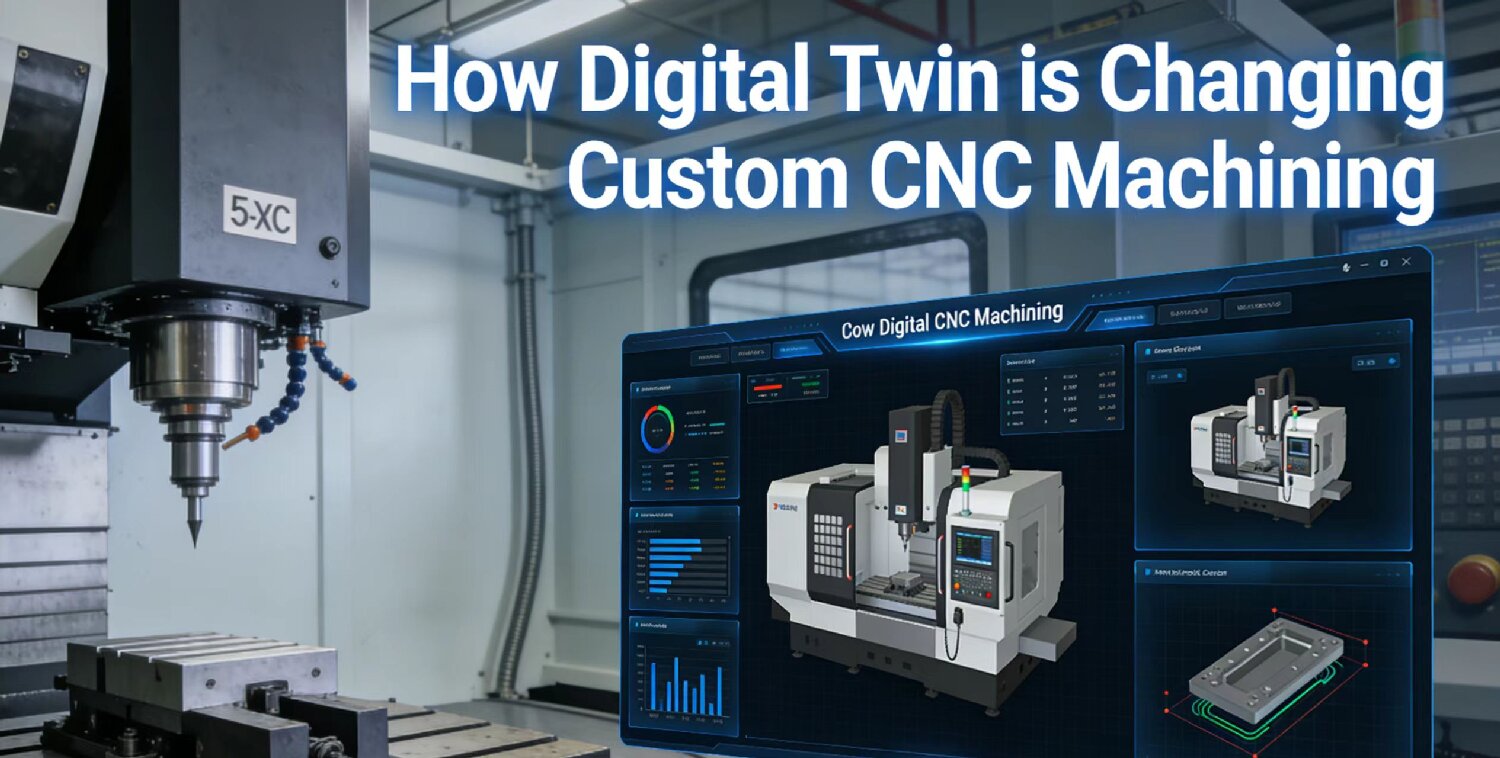
How Digital Twin is Changing Custom CNC Machining (and Why it Matters for Your Project)
In the world of custom CNC machining-where precision, efficiency, and reliability directly impact your project's success-digital twin technology has evolved from a "nice-to-have" innovation to a "must-have" competitive advantage. For manufacturers targeting high-precision sectors like aerospace, robotics, or medical devices, this virtual revolution is reshaping how custom parts are designed, produced, and optimized. Let's break down the transformative shifts and why they matter for your next project.
1. From Reactive to Predictive: Precision Redefined
Traditional CNC machining relies on post-production inspections and manual adjustments to correct errors-an approach that's costly, time-consuming, and risky for complex custom parts. Digital twin technology changes this by creating a virtual replica of the entire machining ecosystem (machine tools, tooling, workpieces, and processes), enabling proactive precision control.
The impact is tangible:
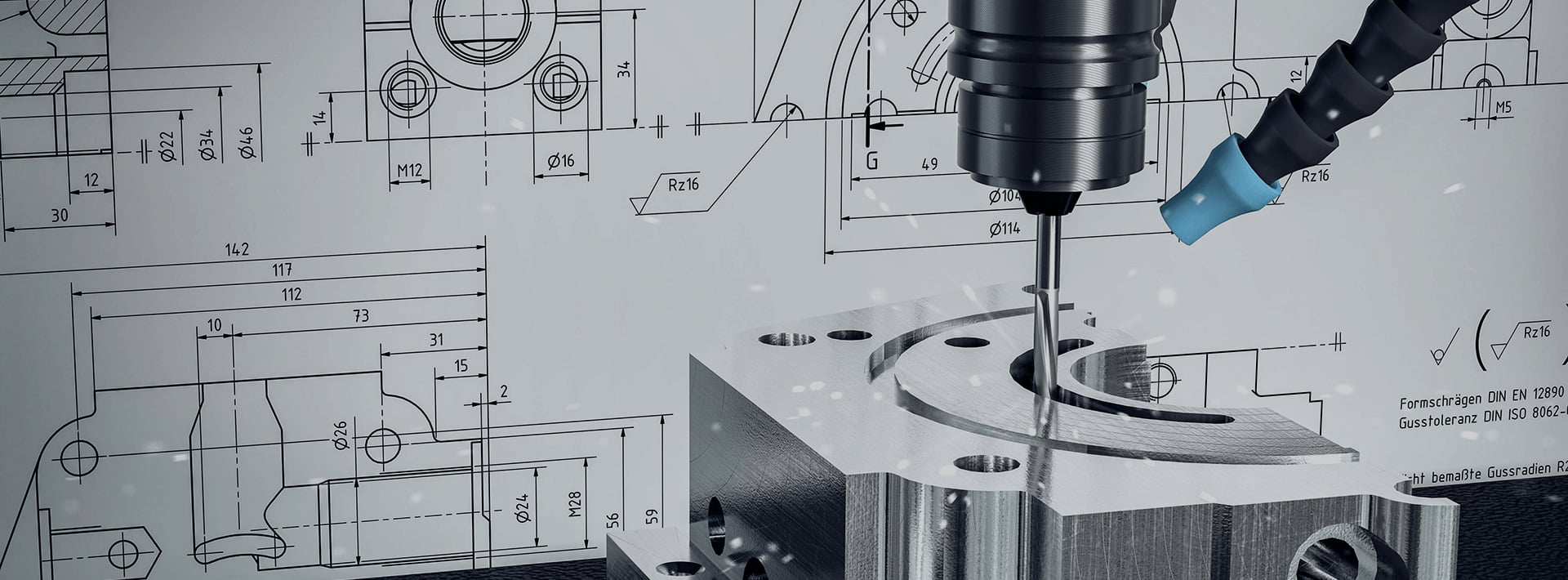
- Error before cutting: By simulating toolpaths, material behavior, and machine dynamics in a virtual environment, digital twins eliminate collisions, overcuts, and tolerance deviations that would otherwise ruin physical parts. Siemens' Sinumerik One digital twin, for example, allows offline programming and collision testing, reducing in-machine errors by up to 80% .
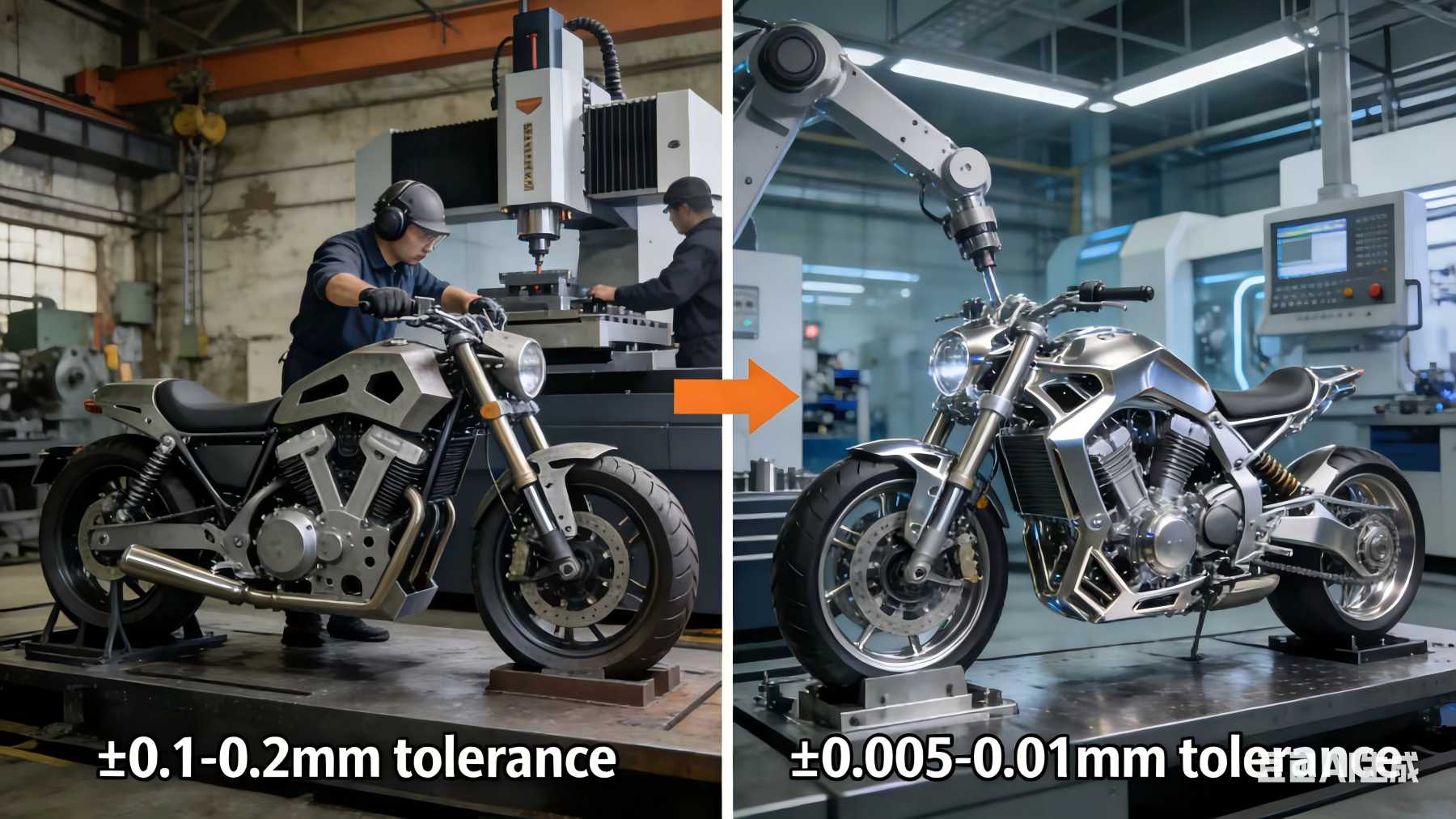
- Micron-level accuracy: For custom parts requiring +/-0.003mm tolerance (e.g., camera lens mounts or robotic joints), digital twins address the 12 core error sources in CNC machining-including geometric, thermal, and force errors. One Chinese 5-axis CNC manufacturer used digital twin to reduce geometric error identification time from 8-12 hours to just 1 hour, boosting positioning accuracy from 0.008mm to 0.002mm .
- Consistency at scale: Whether you're producing 10 prototypes or 10,000 custom parts, the digital twin ensures process uniformity. Thermal errors-responsible for 40-70% of total machining inaccuracies-are mitigated by real-time sensor data and LSTM AI models that predict heat deformation 5 minutes in advance .
For your project, this means no more rework delays, no surprise cost overruns, and parts that meet your exact specifications on the first try.
2. Efficiency Beyond Speed: Cycle Times & Costs Optimized
Custom CNC machining often faces the dilemma of balancing speed and quality-especially for complex geometries or low-volume runs. Digital twin technology resolves this by optimizing every stage of production, from programming to post-processing.
Key efficiency gains include:
- 30-50% faster setup times: Traditional CNC programming requires tying up valuable machine time for testing and adjustments. With digital twins, all programming, simulation, and optimization happen offline. Siemens reports that virtual commissioning cuts machine setup time by half, as processes are validated virtually before touching the physical machine .
- Tool life maximization: Custom machining costs are heavily influenced by tool wear-especially for hard materials like.
- Tool life maximization: Custom machining costs are heavily influenced by tool wear-especially for hard materials like titanium or Inconel. Digital twins integrate real-time data (cutting force, vibration, temperature) to predict tool lifespan, reducing replacement costs by 15-20% and eliminating unplanned downtime .
- Process streamlining for complexity: For custom parts with intricate features (e.g., aerospace components), digital twins optimize toolpaths and sequencing. A case study in titanium structural part machining showed a 30% reduction in material removal time and a 48-hour total cycle time cut (from 72 hours) via multi-process .
For your project, these efficiencies translate to shorter lead times (critical for time-to-market) and lower per-unit costs-without compromising on customizability or precision.
3. Reliability Reinvented: Predictive Maintenance & Risk Mitigation
Unplanned machine downtime is a nightmare for custom CNC projects, where delays can derail entire production schedules. Digital twin technology transforms maintenance from "break-fix" to "predictive," ensuring your project stays on track.
How it works:
- Real-time machine health monitoring: Sensors embedded in CNC machines feed data (vibration, temperature, electrical current) to the digital twin, which identifies early signs of component wear. For example, spindle bearing issues can be detected 30 days in advance, reducing unplanned downtime by 87.5% .
- Data-driven decision-making: The digital twin aggregates data across all production runs, enabling continuous process improvement. Over 50% of manufacturers sti ll use disconnected CAD/CAM systems, but those with digital twins gain end-to-end visibility that reduces inspection time by 40% .
- Risk reduction for custom projects: When machining one-of-a-kind or low-volume custom parts, there's no room for trial and error. Digital twins let you test "what-if" scenarios (e.g., material substitutions, tool changes) virtually, mitigating risks before production begins.
Why This Matters for Your Custom CNC Project
At its core, digital twin technology isn't just about technology-it's about solving the pain points that plague custom machining projects:
- Precision you can trust: For applications like medical devices or aerospace components, where tolerances are non-negotiable, digital twins deliver consistent, verified accuracy.
- Speed without sacrifice: Get custom parts faster, with lead times reduced by 30-50% thanks to offline optimization and predictive maintenance.
- Cost control: Eliminate rework, reduce tool waste, and avoid downtime-directly lowering your total project cost.
- Flexibility for customization: Digital twins adapt to your unique part designs, materials, and requirements, making even the most complex custom projects feasible.
Closing Thoughts: The Future of Custom CNC Machining Is Virtual
As PwC research highlights, only 10% of manufacturers have fully impleme nted digital transformation-meaning early adopters of digital twin technology gain a significant edge in the custom CNC market . For your next project, partnering with a CNC provider that leverages digital twins isn't just a choice-it's a strategic decision to ensure precision, efficiency, and reliability.
Do you have a custom CNC project facing tight tolerances, short lead times, or complex geometries? Share your challenges in the comments, or connect with us to learn how our digital twin-enabled machining can deliver tailored solutions for your needs.
#DigitalTwin #CNCMachining #PrecisionEngineering #CustomCNC #Industry4.0 #ManufacturingInnovation #AerospaceMachining #RoboticsParts