
Aerospace CNC Machining: Your Guide to Precision Parts
The aerospace industry operates in an environment where safety, reliability, and performance are non‑negotiable. Every component, whether in a commercial jet, military aircraft, or satellite, must meet extreme standards. Among the manufacturing technologies that make this possible, aerospace CNC machining stands out as a cornerstone process for creating high‑precision parts.
What Is Aerospace CNC Machining?
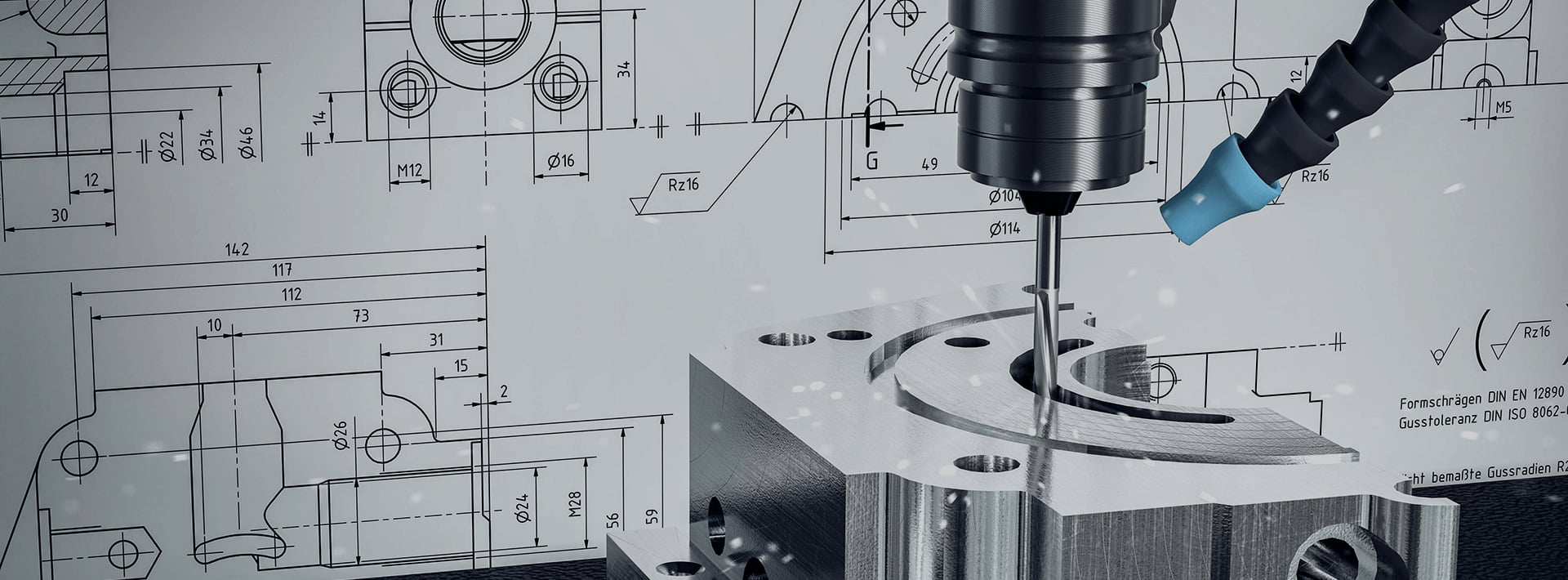
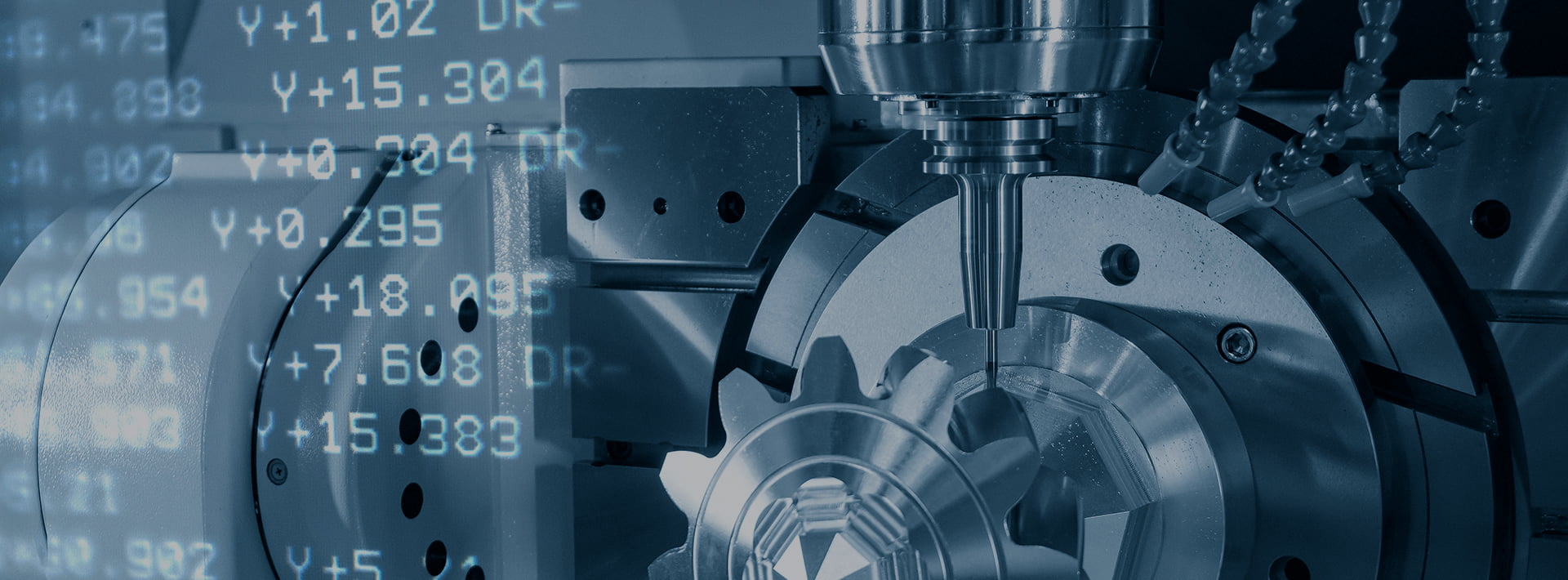
Aerospace CNC machining is a subtractive manufacturing process that uses computer numerical control (CNC) to shape raw materials into complex, tight‑tolerance components. Unlike manual machining, CNC systems follow programmed instructions to ensure consistent, repeatable results. This level of accuracy is essential for parts that must perform under intense pressure, temperature fluctuations, and dynamic loads.
Materials Used in Aerospace CNC Machining
Aerospace components require materials that offer exceptional strength, durability, and heat resistance. Common materials include:
• Aluminum alloys (lightweight and cost‑effective)
• Titanium alloys (high strength‑to‑weight ratio)
• Stainless steel (corrosion resistance)
• Superalloys such as Inconel and Hastelloy (heat and pressure resistance)
• Composites including carbon fiber
Each material requires specialized tooling, cutting strategies, and machining parameters to ensure optimal results.

Common Aerospace CNC Machined Components
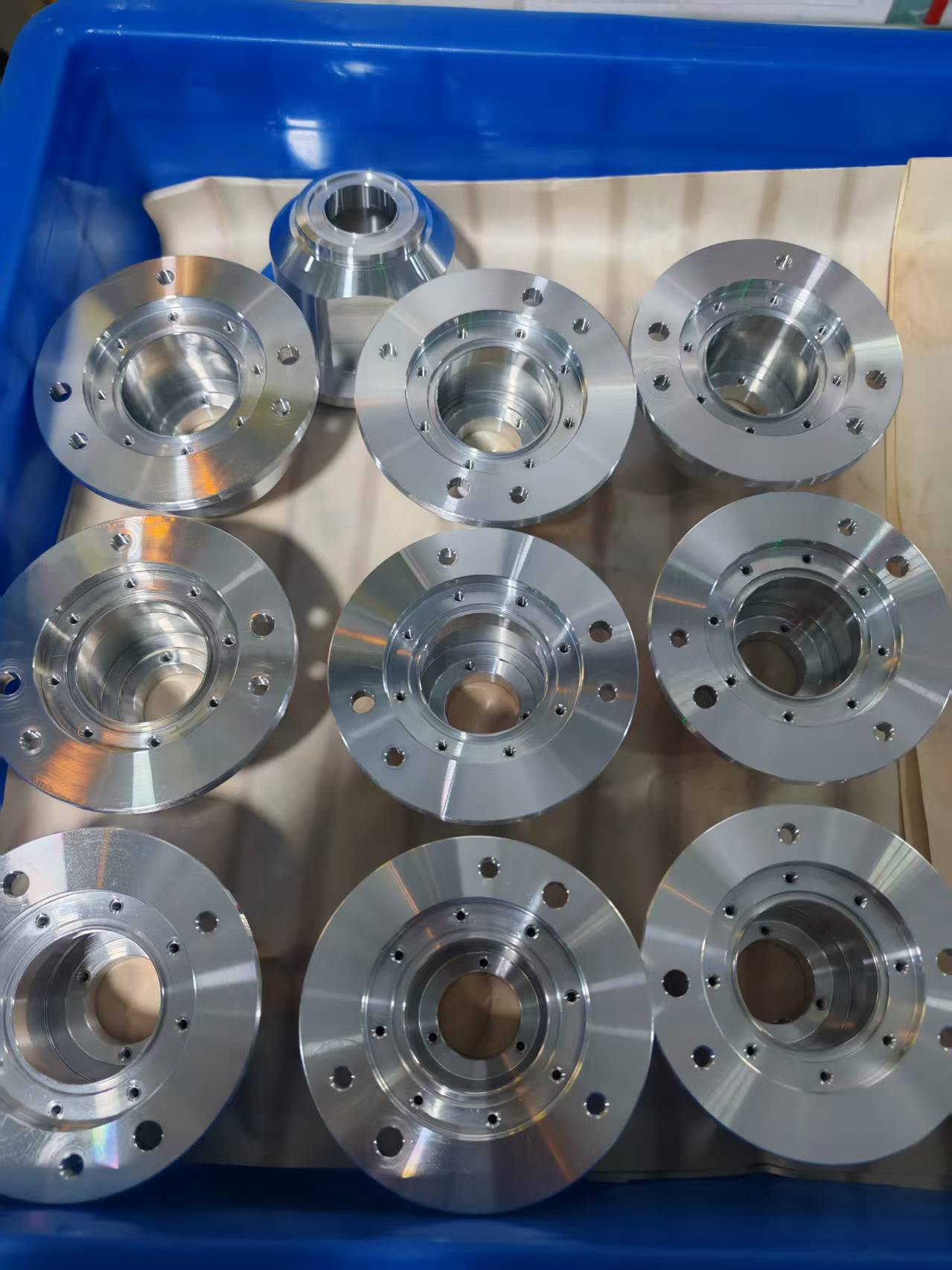
CNC machining is used to produce a wide range of aerospace parts, including:
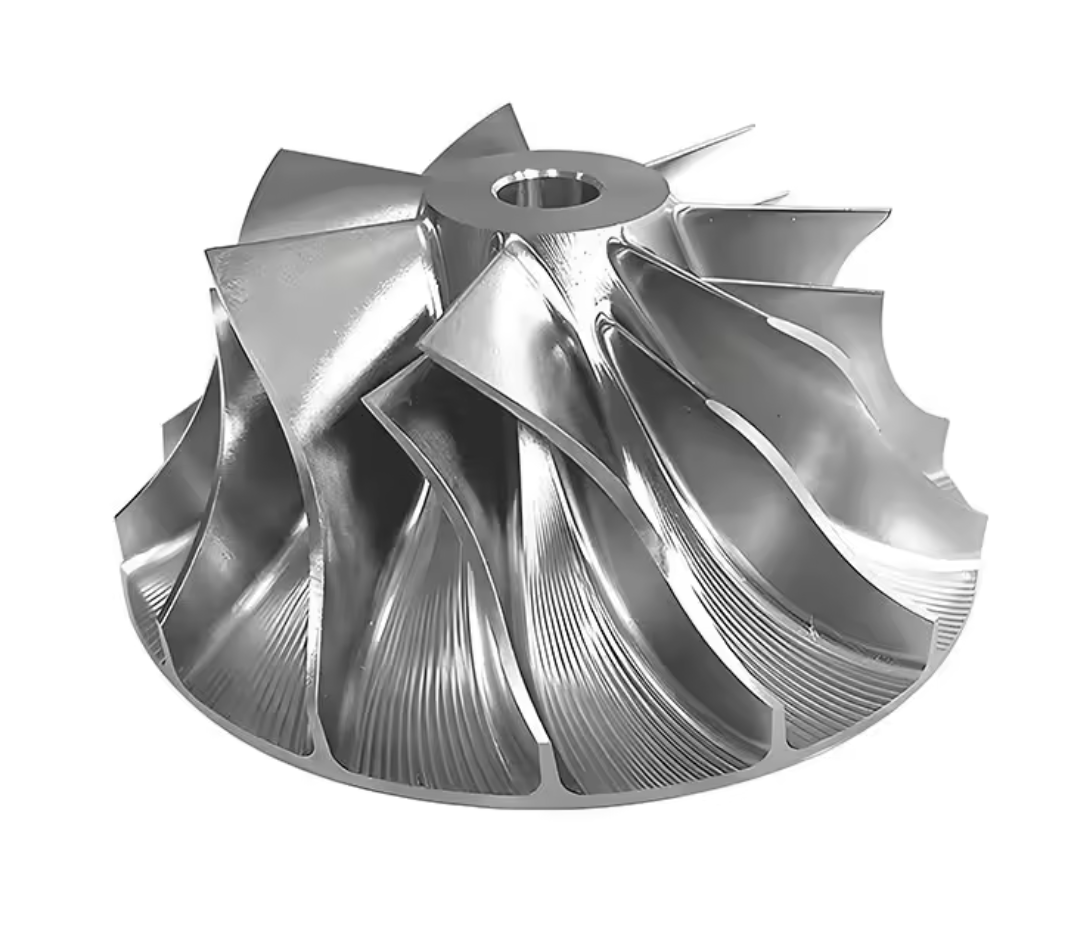
• Engine components such as turbine blades, shafts, and housings
• Structural parts including brackets, fittings, and wing components
• Landing gear elements
• Avionics enclosures and sensor housings
• Hydraulic and fuel system parts
• Satellite and spacecraft structural components
These parts often feature complex geometries, thin walls, and strict tolerance requirements that only CNC machining can consistently achieve.
Why Precision Matters in Aerospace
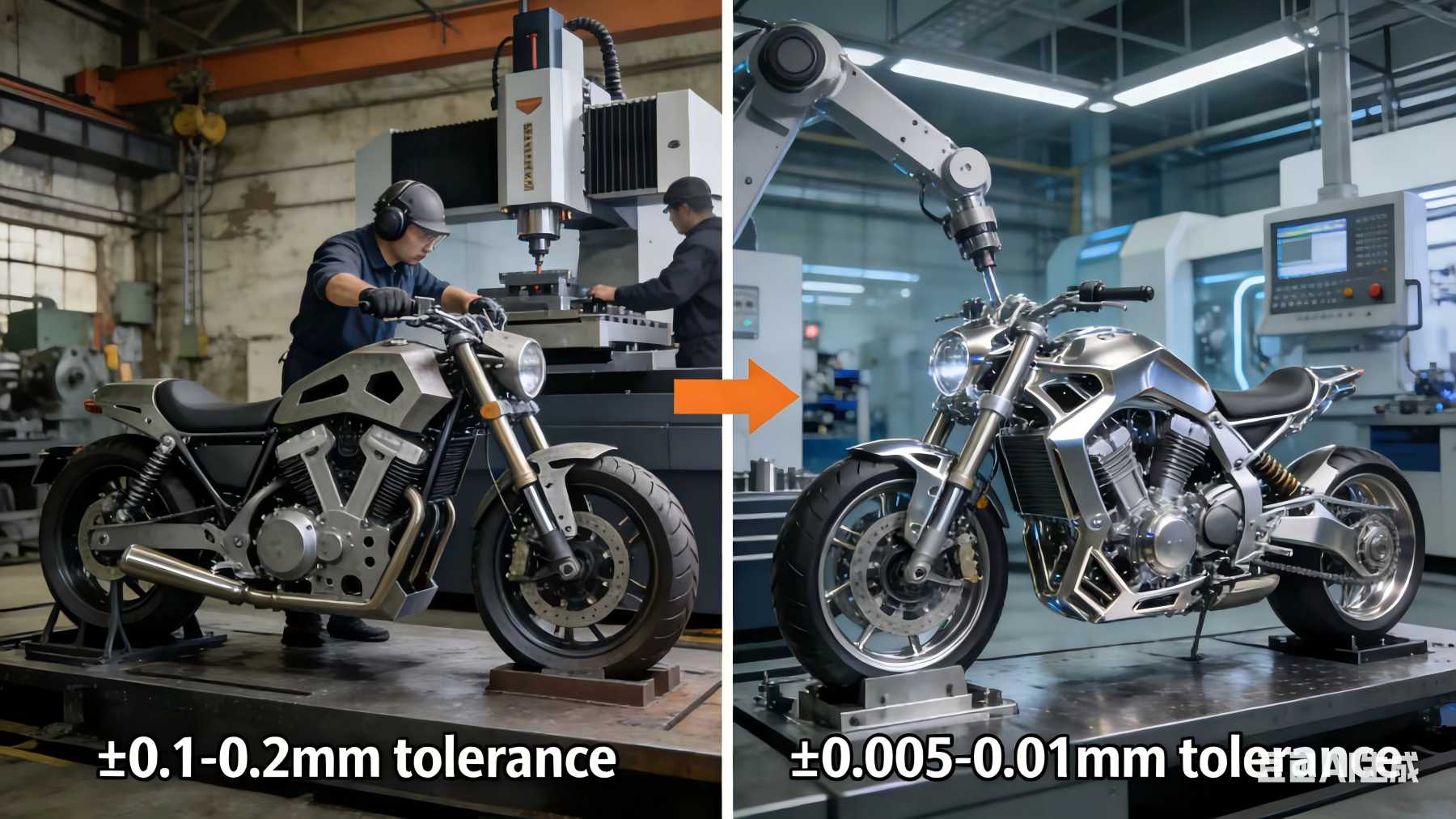
In aerospace manufacturing, precision is not just a technical requirement it is a safety imperative. Key reasons include:
• Even minor deviations can lead to system failure
• Components must fit perfectly with minimal assembly tolerance
• Materials often behave differently under extreme conditions
• Compliance with standards such as AS9100 and NADCAP is mandatory
CNC machining provides the accuracy and traceability needed to meet these challenges.
The Aerospace CNC Machining Workflow
The typical process involves several steps:
1. CAD design and engineering analysis
2. CAM programming to generate toolpaths
3. Material selection and preparation
4. CNC machining with multi‑axis equipment
5. Inspection using CMM, laser scanning, and other precision tools
6. Surface treatment, heat treatment, and finishing
7. Quality control and documentation
This workflow ensures that every part meets the exact specifications required for aerospace applications.
Choosing the Right Aerospace CNC Machining Partner
When selecting a manufacturing partner, consider:
• Experience with aerospace materials and standards
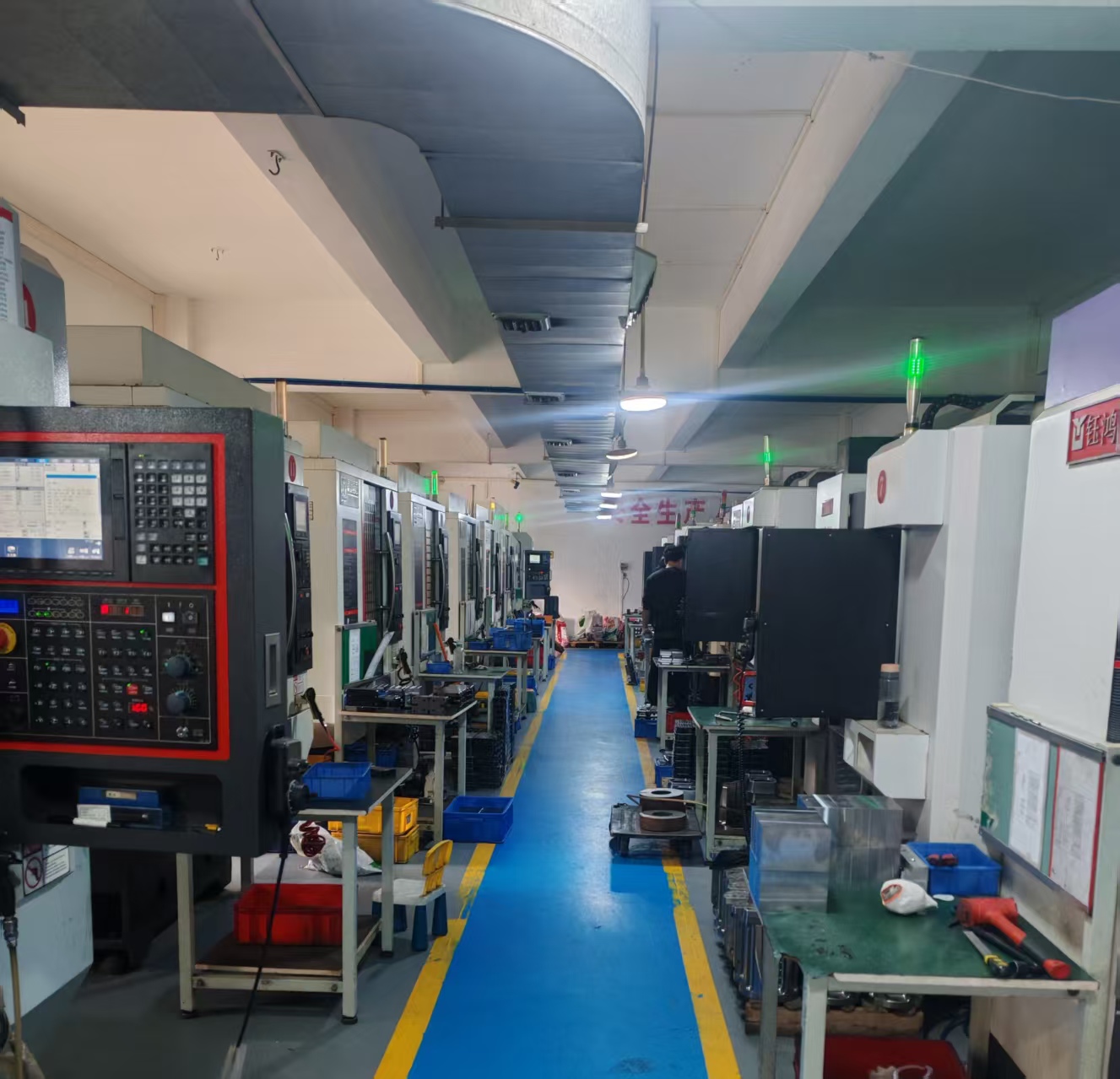
• Access to advanced CNC equipment (5‑axis, multi‑spindle)
• Strong quality management systems
• Ability to handle low‑volume or high‑volume production
• Capability for rapid prototyping and quick turnaround
• Reliable delivery and project management
The right partner will not only produce high‑precision parts but also help optimize designs for manufacturability and cost efficiency.
Conclusion
Aerospace CNC machining is a critical technology that enables the production of safe, reliable, and high‑performance components. Its ability to handle complex geometries, maintain ultra‑tight tolerances, and work with advanced materials makes it indispensable in modern aerospace manufacturing.
If you are looking for a trusted partner for your aerospace CNC machining needs, we offer expertise in precision manufacturing, compliance with industry standards, and a commitment to quality and on‑time delivery.